Modern HR leaders are facing an exciting new challenge: integrating artificial intelligence (AI) into their workflow. While AI won’t replace the creativity, empathy, and leadership HR professionals bring to their organizations, it can streamline tasks, surface insights, automate processes—and save lots of time.
Yet, despite AI’s potential to transform HR, only one in four employers currently use HR AI tools to support their teams. Many HR leaders are still figuring out where AI fits into their strategy, which tools provide real value, and how to implement them without losing the human touch that makes HR so impactful. Others may be hesitant due to concerns about data privacy, bias, or the learning curve of new technology.
With the right tools, AI can enhance—not replace—HR’s role, helping teams make data-driven decisions, improve efficiency, and create a more personalized, engaging experience for their people. Let’s explore some of the best HR AI tools and how they can empower HR professionals to work smarter while keeping people at the heart of every decision.
Discover the power of a modern HR software and learn firsthand how Bob can optimize your HR processes
Key insights
- HR AI software tools enhance efficiency by automating repetitive tasks, providing real-time insights, and improving decision-making
- Popular HR AI tools offer capabilities like resume screening, sentiment analysis, and predictive analytics to streamline operations, but seamless integration with existing HR systems is crucial to maximize the benefits of using AI tools
- Selecting the right AI software requires evaluating your organization’s needs, budget, and ease of use to ensure smooth adoption and long-term impact
The top HR AI software tools at-a-glance
We looked at HR platforms with AI built into core HR work. For each, we checked what the AI actually does in day-to-day HR work, whether it runs inside the system where the data lives, and what controls it has, like permissions and approvals. Profile and pricing details come from each vendor’s product and pricing pages, and ratings from G2 and Capterra.
| Software | Best for | What the AI does | G2 rating |
|---|---|---|---|
| HiBob | Mid-sized and multinational companies (100–1,000 people) | AI inside reviews, reporting, compensation, and people data, with permissions | 4.5/5 |
| BambooHR | Simple HR needs, under 350 people | Bamboo AI for reporting, payroll analysis, and employee self-service | 4.4/5 |
| CultureMonkey | Mid-size and enterprise employee listening programs | AskCooper AI copilot answers questions about engagement data and turns open feedback into insights | 4.7/5 |
| Lattice | Companies focused on performance and engagement | Review writing help, engagement survey analysis, and growth plans | 4.6/5 |
| Payscale | Mid-size to enterprise teams benchmarking pay | AI-guided pay benchmarking and job matching | 4.3/5 |
| Personio | European SMEs, 10–2,000 people | Personio AI Assistant for HR questions and tasks | 4.4/5 |
| Rippling | Unified HR, IT, and finance | Rippling AI across HR, IT, and finance data | 4.7/5 |
| Workable | Companies hiring at volume | AI candidate sourcing and resume screening | 4.4/5 |
| Workday | Large enterprises, 500+ people | Workday Illuminate predictions and recommendations | 4.1/5 |
We scored every platform on the same set of capabilities and published the full scoring, with ratings and review counts, in the spreadsheet linked here.
What is an HR AI tool?
Just like traditional HR software, AI tools help leaders streamline hiring, enhance engagement, and support workforce planning. Instead of relying on manual data entry and repetitive tasks, AI-powered tools use machine learning, natural language processing, and data algorithms to analyze trends, predict outcomes, and generate real-time recommendations.
This helps HR professionals work smarter and faster so they have more time for strategic, high-value initiatives—like building a strong company culture, encouraging career growth, and creating meaningful connections with their people.
What can HR AI tools be used for?
HR AI software can support small teams that need extra hands and large organizations managing complex workforce data. Different types of AI serve different functions—some automate repetitive tasks, while others provide insights to guide strategic decisions. It’s not about choosing one over the other but about finding the right combination to meet your organization’s needs. AI software can:
- Provide instant answers and insights to reduce time spent searching for information
- Analyze surveys and feedback to spot morale trends and help HR act before issues grow
- Predict workforce trends and attrition risks to help teams make informed hiring and retention plans
- Monitor HR compliance and flag risks to keep policies up to date and reduce legal exposure
- Create HR content like workplace policies, performance reviews, and internal communication to ensure clarity and consistency across teams
- Generate job descriptions automatically so postings align with industry trends while saving recruiters time
Key features of HR AI tools
Some organizations seek smarter hiring solutions, while others benefit from AI-powered analytics to guide workforce decisions. Let’s explore some of the most impactful ways AI enhances your HR operations.
Recruitment and talent acquisition
HR leaders can speed up hiring workflows by using AI to screen resumes, identify great candidates, and generate structured interview questions. Instead of sorting through hundreds of applications, HR teams can spend their time in meaningful conversations with top candidates.
AI also helps eliminate bias by analyzing skills and qualifications objectively, supporting a fairer and more inclusive hiring process.
Employee engagement and experience
AI doesn’t replace genuine human connection, but it can help HR teams strengthen company culture. AI-powered HR tools analyze survey feedback to spot trends in morale, engagement, and sentiment, helping HR proactively support their team and prevent disengagement. AI chatbots can further enhance the team member experience by instantly answering HR-related questions—removing bottlenecks and giving teams access to the information they need.
Performance management
HR managers can conduct fairer, more consistent performance reviews by using AI to aggregate feedback, identify skill gaps, and generate personalized development plans. AI can also highlight trends in individual performance so leaders can offer more targeted support and recognize top performers.
Workforce planning and analytics
HR AI tools can review historical workforce data to reveal trends in turnover risk, hiring demands, and productivity shifts. Human resources leaders can use this information to anticipate talent shortages and adjust staffing levels accordingly. For example, if AI identifies a department with higher turnover rates, HR leaders can implement targeted retention strategies to boost engagement and reduce attrition.
Compliance and risk management
Navigating national and international labor laws can be complex and time-consuming. AI-powered HR tools simplify this by scanning legal updates, flagging compliance risks, and automating policy updates to align with regulations. This helps teams stay compliant, mitigate legal risks, and maintain enforceable policies effortlessly.
The best AI-powered HR platforms
AI-powered HR platforms integrate artificial intelligence to streamline human resources processes, enhance strategic decision-making, and improve the team member experience. Let’s explore some of the best HR platforms that use AI to automate tasks, generate content, and improve engagement.
HiBob

G2 rating: 4.5/5 across 2,700+ verified reviews
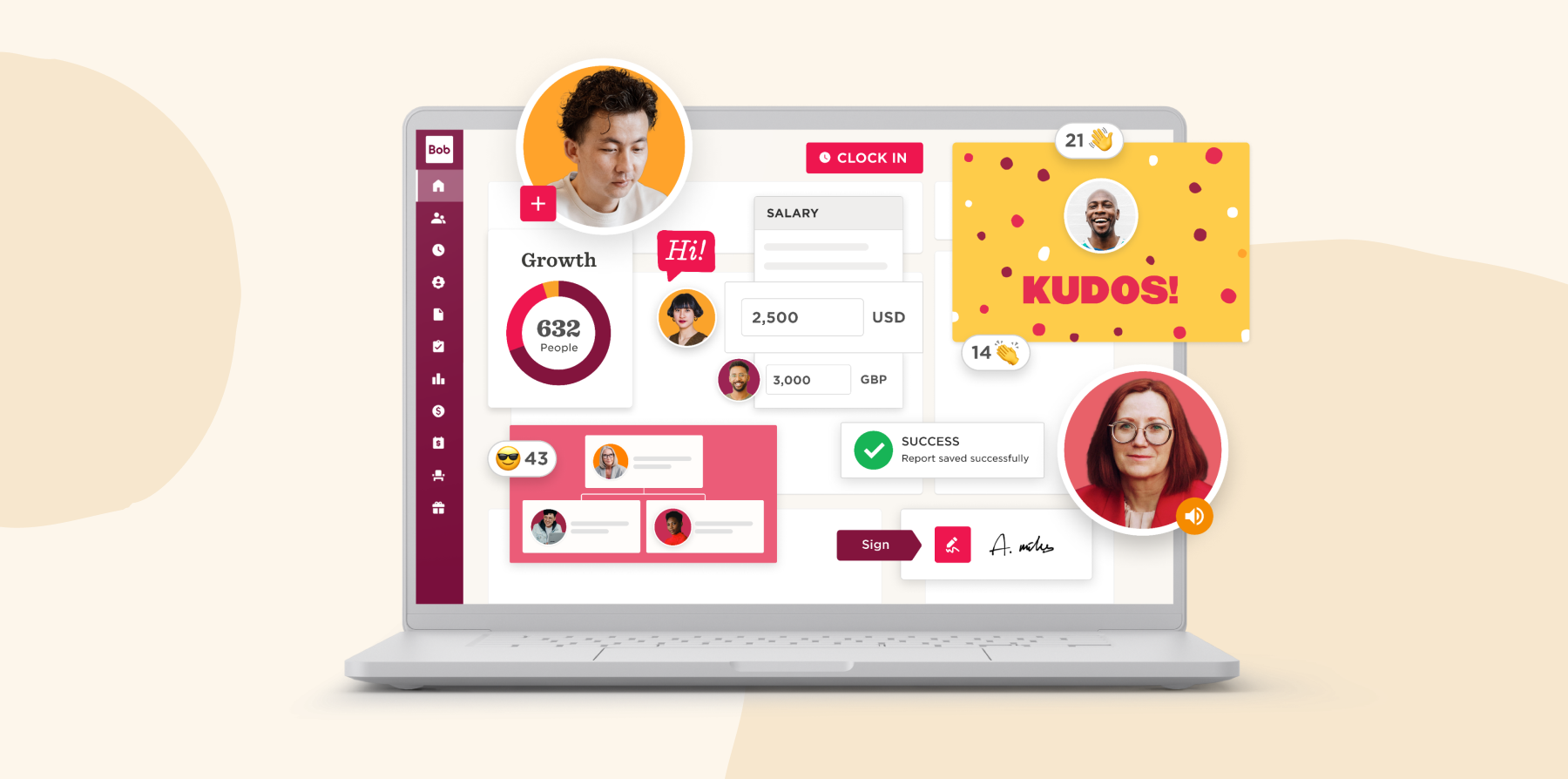
Mid-sized and multinational companies, with 100 to 1,000 employees the sweet spot, rely on HiBob’s AI-powered HR platform to automate administrative tasks, improve workforce planning, and enhance team engagement. Teams love using HiBob to spend less time on paperwork and more time building a strong company culture. Instead of sorting through countless spreadsheets, you can generate AI-driven insights on sentiment and workforce trends. HiBob won the 2026 Lighthouse Tech Award for Best Advance in Practical AI.
Bob AI helps remove bottlenecks with instant answers and guided recommendations, while built-in guardrails such as permissions, approvals, and audit trails help teams standardize decisions. It can also support content creation tasks such as drafting job descriptions and manager communications. HiBob integrates with common communication tools and payroll providers to keep workflows moving and reduce tool sprawl.
HiBob brings together AI-powered assistance, analytics, and core people workflows in one intuitive platform, so HR can execute faster and Finance can plan with more confidence. It’s fast to implement, with hands-on support from HiBob’s team, and because Bob AI is part of the platform, there’s no separate AI tool to buy.
Features:
- Bob AI: Get instant answers, draft reviews and job descriptions, and surface workforce trends, all inside your permissions
- Core HR: Automate workflows, centralize records, and generate detailed reports to optimize daily HR operations
- Finance: Connect people plans to budgets by modeling headcount and workforce costs and keeping HR and Finance working from the real-time data
Pros:
- “HiBob is customizable to our business needs, it integrates with many different systems.” – verified review
- “The automation saves so much time with onboarding.” – verified review
- “Provides excellent reporting and visibility of data.” – verified review
Cons:
- “No specific format for phone numbers” – verified review
- “I wish it had built-in two-factor authentication.” – verified review
Pricing: HiBob offers a customized plan for every HR team
Discover the power of a modern HR software and learn firsthand how Bob can optimize your HR processes
BambooHR

G2 rating: 4.4/5 across 7,100+ verified reviews
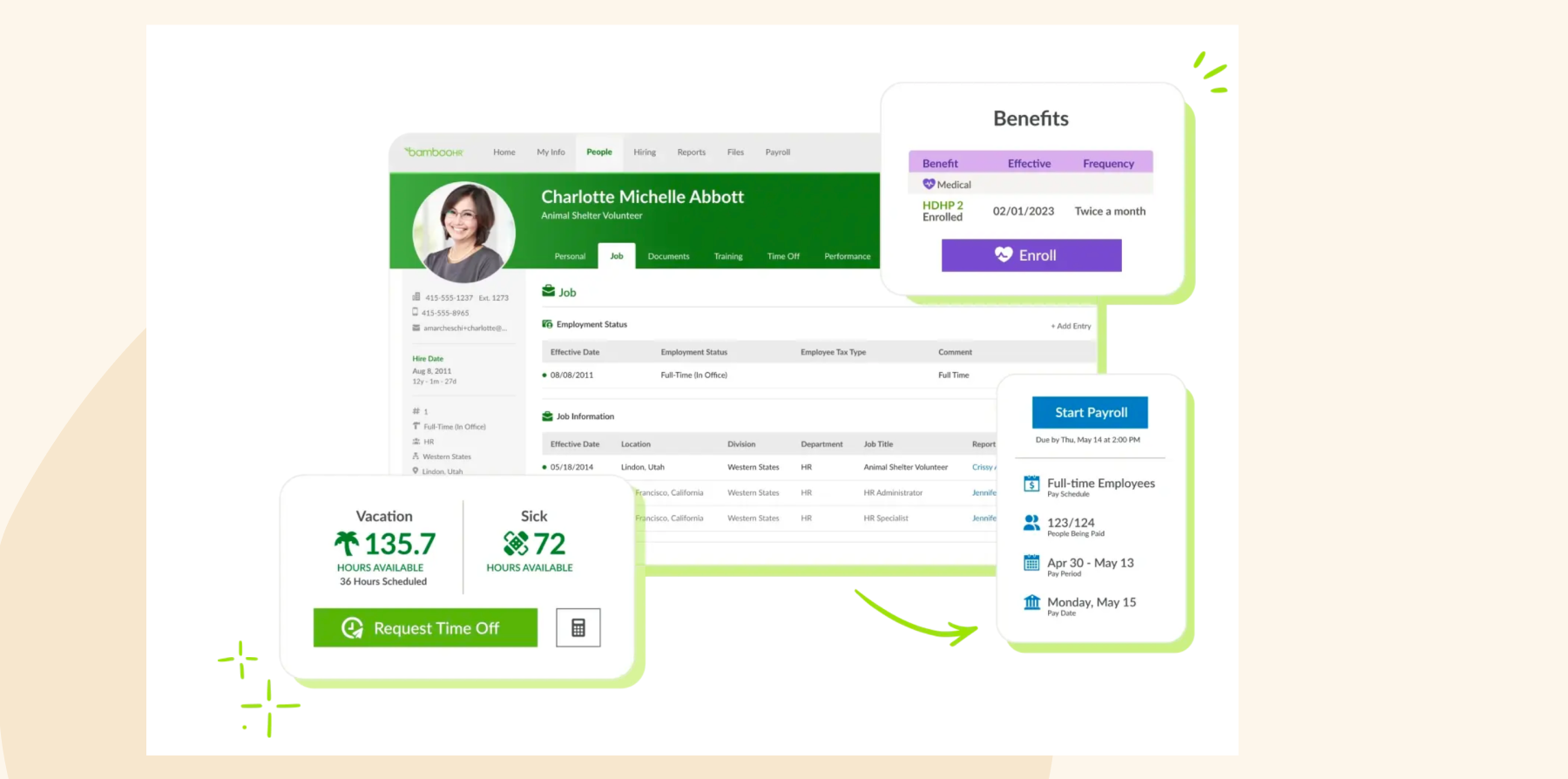
BambooHR is an HR software platform that uses AI to manage people’s data, track time-off requests, and facilitate performance evaluations. The platform includes an applicant tracking system for recruitment efforts and onboarding tools to integrate new joiners. BambooHR also provides customizable reporting features to automatically generate reports for decision-making.
Features:
- AI-powered applicant tracking: Sort, rank, and contact job applicants based on predefined criteria
- Automated onboarding: Assign tasks, send paperwork reminders, and create structured new joiner experiences
- AI-powered HR analytics: Identify themes and trends in team member feedback.
- Ask BambooHR: Access a tool that answers questions about company policy, team information, and benefits
Pros:
- “Connects well with ZipRecruiter and Glassdoor.” – verified user
- “The interface is simple” – verified user
Cons:
- “For larger companies, the functionality can be a bit limited. The integrations are also lacking, making it difficult to connect with other systems.”- verified user
- “Your company setup needs to be fairly cookie-cutter to get the most efficiency out of BHR. They do not offer much in the form of customization.”- verified user
Pricing: Pricing is not publicly available
Compare HiBob vs. BambooHR – see which fits your business best
CultureMonkey

G2 rating: 4.7/5 across 60+ verified reviews
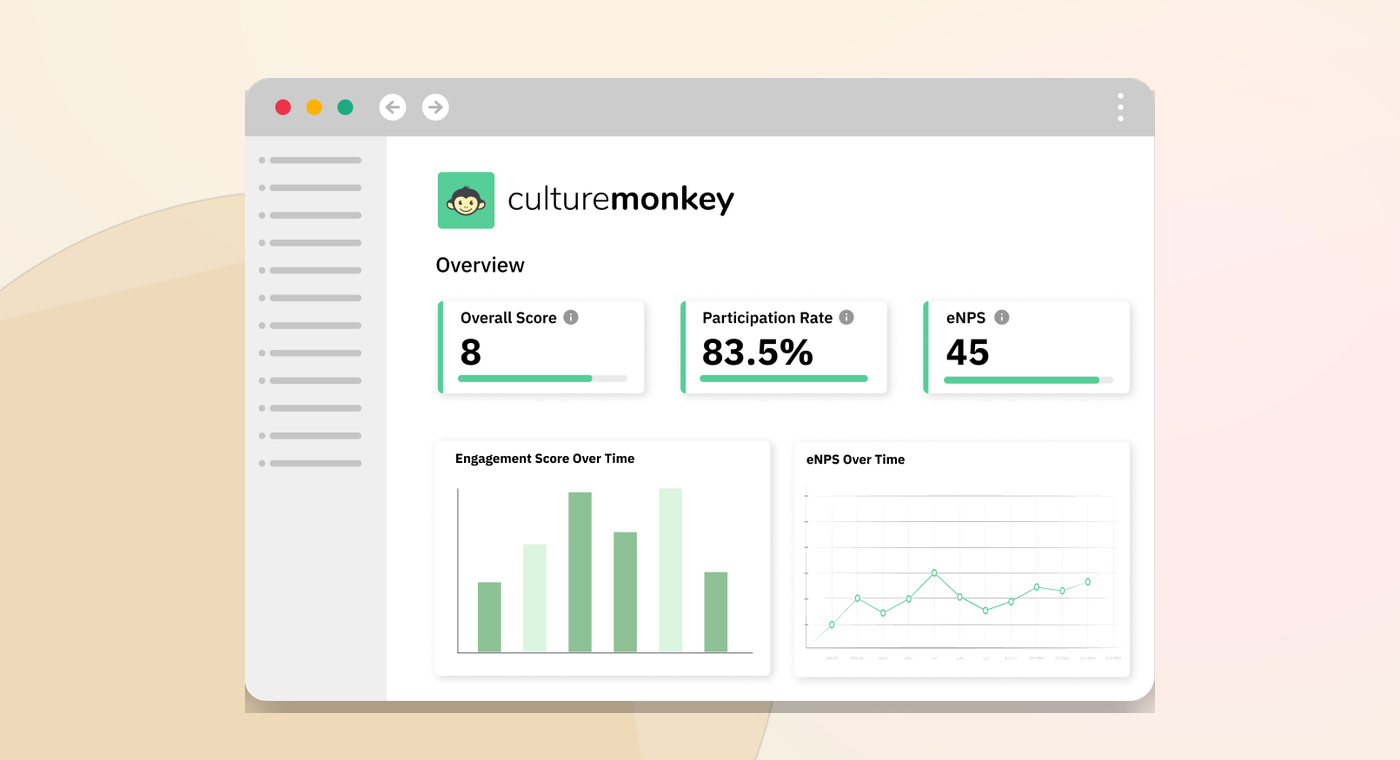
CultureMonkey is an enterprise employee engagement platform built for organizations that need to collect feedback across distributed and multilingual workforces. The platform combines engagement surveys, pulse surveys, eNPS tracking, and anonymous feedback tools in one centralized system. CultureMonkey also supports multiple delivery methods, including mobile, QR codes, Slack, Microsoft Teams, email, and other flexible channels to help HR teams reach employees beyond traditional desk-based environments.
Features:
- Multilingual engagement surveys: Run surveys across global and distributed teams with support for multiple languages.
- Flexible survey delivery: Collect feedback through mobile, QR codes, Slack, Microsoft Teams, email, and other accessible channels.
- Heatmaps and manager dashboards: Segment feedback by location, department, role, and manager to identify engagement gaps quickly.
- Action planning tools: Turn survey insights into structured follow-up actions with manager-level accountability.
Pros:
- “Flexible survey delivery works well for frontline and distributed employees.” – verified user
- “Heatmaps and segmentation make it easier to identify engagement gaps across teams.” – verified user
Cons:
- “Pricing is not publicly available and requires contacting sales.” – verified user
- “Better suited for mid-market and enterprise organizations than very small teams.” – verified user
Pricing:
Pricing is available by custom quote.
Lattice

G2 rating: 4.6/5 across 4,100+ verified reviews
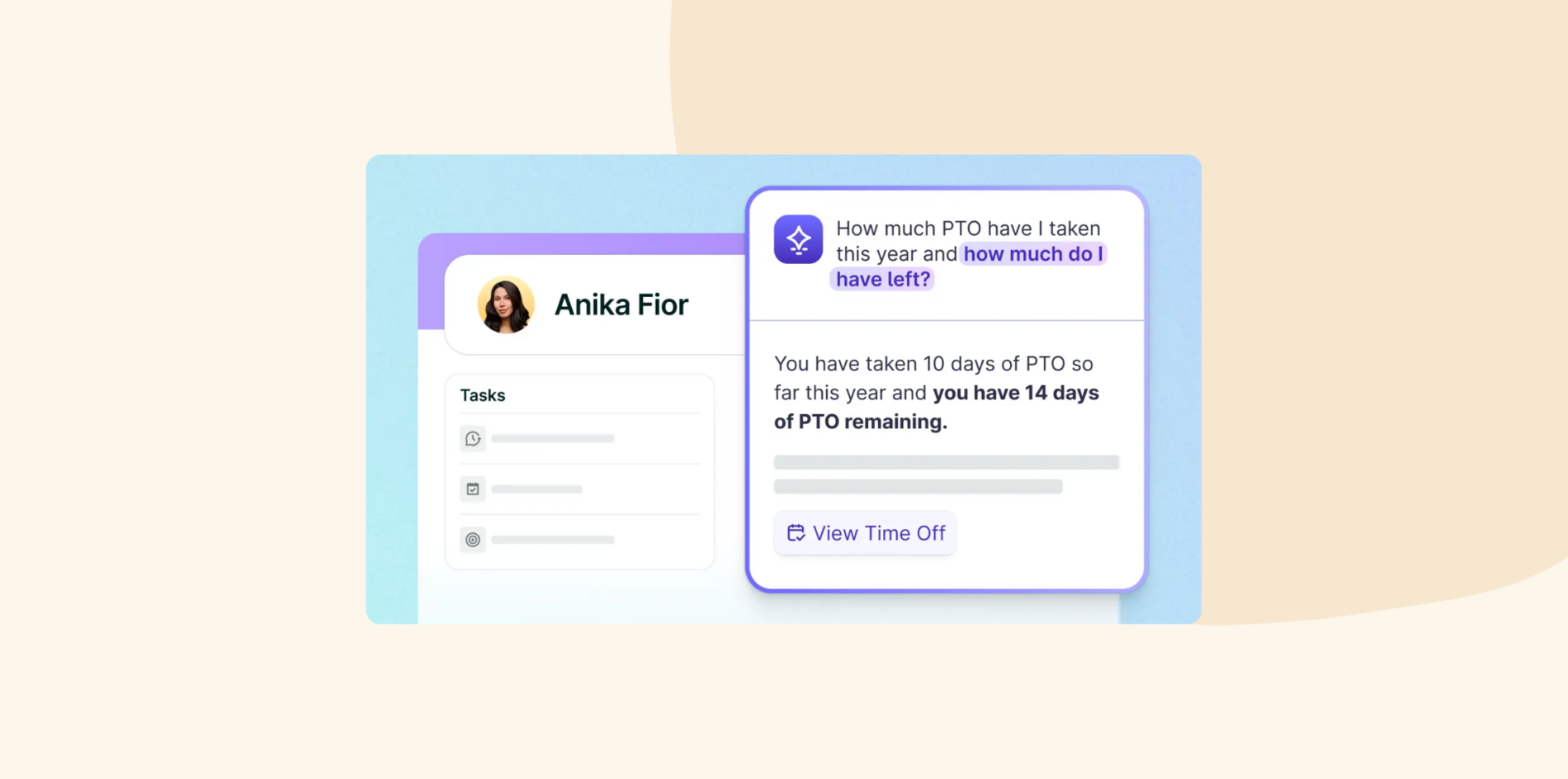
Lattice is a people management platform that integrates AI to enhance various HR functions, including performance management, engagement, and professional development. It uses AI to enable HR teams to synthesize survey results and generate performance insights. Lattice can also provide personalized growth recommendations based on the insights it generates on an individual.
Features:
- Lattice AI Assistant: Provides instant answers to company policy questions, personalized career growth recommendations, and people strategy best practices
- Engagement insights: Synthesize survey results and open-ended feedback
- Writing assistance: Access real-time recommendations to improve the quality of performance reviews or feedback, with checks for grammar, clarity, and bias
- Growth plans: Generate individual development plans based on career tracks, performance reviews, and feedback
Pros:
- “The implementation time commitment was hours not weeks.” – verified user
- “The product is always improving and adding more features.” – verified user
Cons:
- “Sometimes there are challenges with the ability to customize the tool to work best for us” – verified user
- “I found goal tracking/ performance evaluation tricky.” – verified user
Pricing:
- Talent management: Starts at $11/mo per seat
- HRIS: Starts at $10/mo per seat
Payscale

G2 rating: 4.3/5 on G2
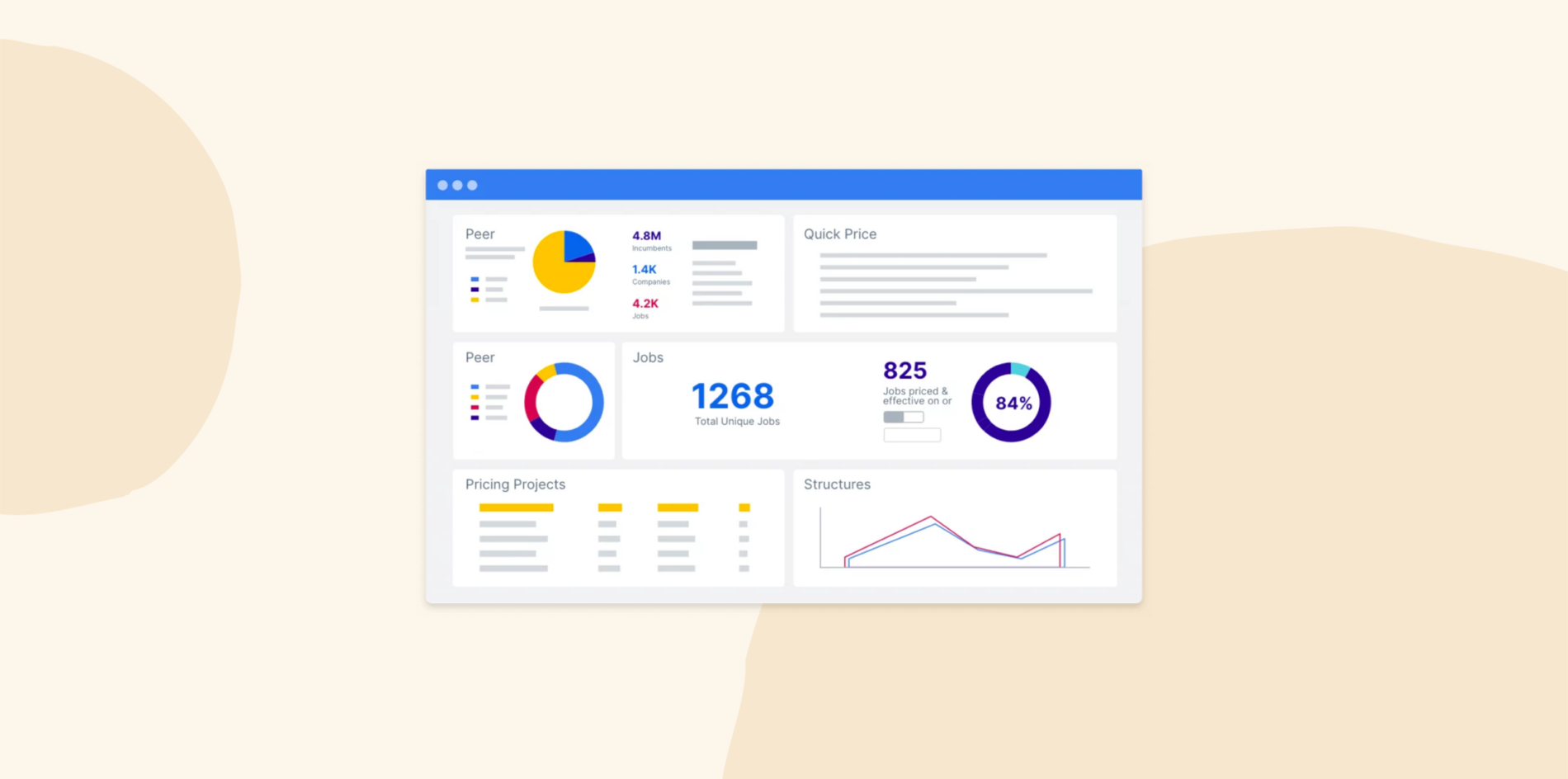
Payscale is a compensation management platform that uses AI to enhance productivity and streamline compensation processes. It offers different compensation data products to empower organizations with accurate and comprehensive salary insights. These products enable HR professionals to make informed pay decisions, benchmark roles, and develop compensation strategies.
Features:
- MarketPay: Streamline market pricing by identifying strong survey matches using job titles, purpose, and currency
- Job summaries: Generate concise job descriptions using generative AI for HR to review and revise
- Peer auto-match: Provide job matches based on factors like job title, survey matches, and industry
Pros:
- “MarketPay is easy to get our data into and out of.” – verified user
- “Keeps things organized.” – verified user
Cons:
- “The technology behind this product doesn’t seem to have had any significant upgrades in several years.” – verified user
- “You can’t customize or reorder the matches.” – verified user
Pricing: Pricing is not publicly available
Personio

G2 rating: 4.4/5 across 1,000+ verified reviews
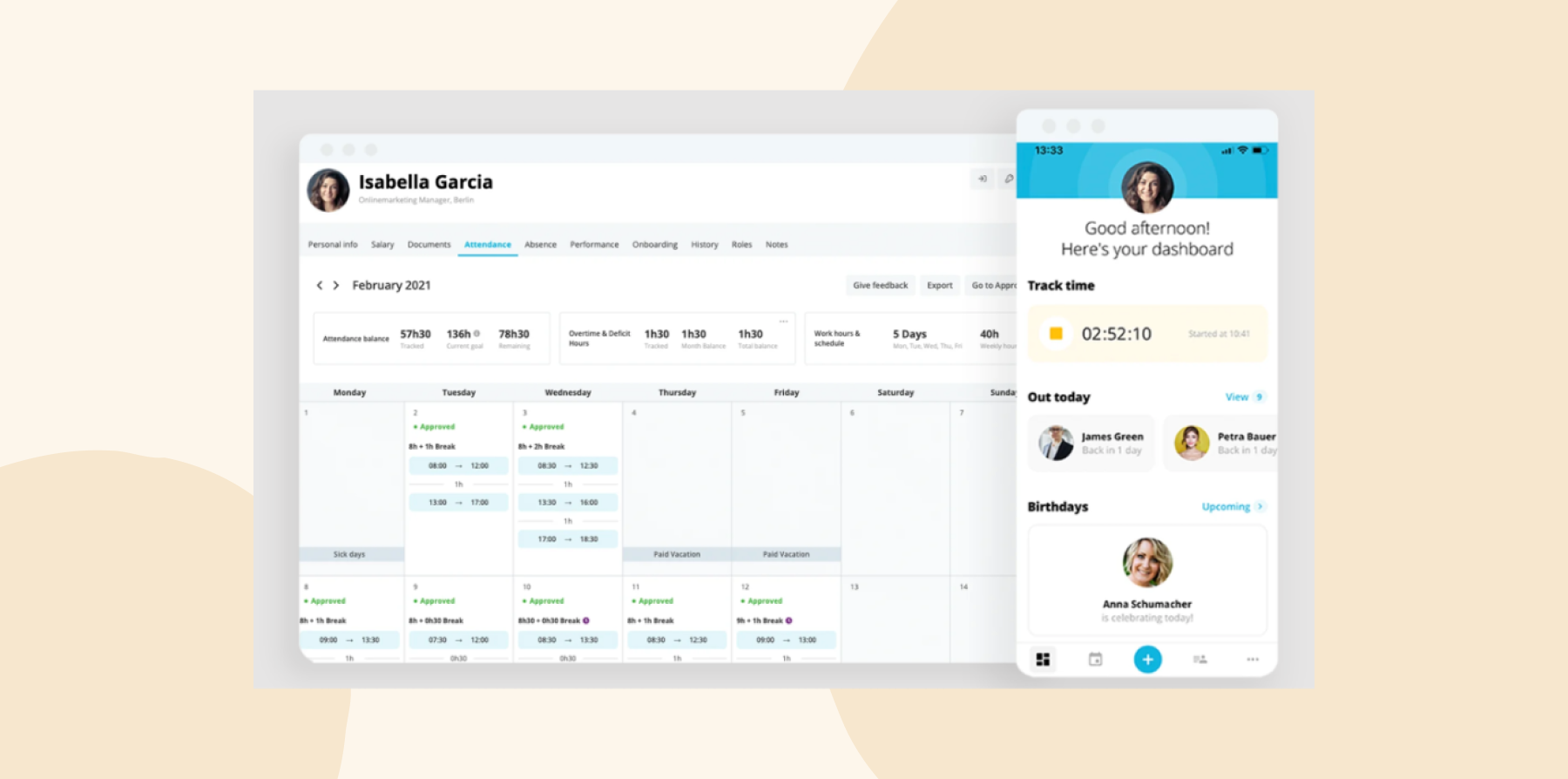
Personio is an HR software for SMBs and enterprises. It offers AI capabilities to assist in automating routine tasks, providing proactive insights, and improving engagement. Personio can connect to over 200 external applications.
Features:
- AI-powered answers: Provide team members with instant responses to their HR-related queries
- Proactive insights: Access trend highlights and alerts to specific issues like high levels of sick leave in a department
- Automation: Detect repetitive tasks and get suggested workflows and best practices to enhance efficiency
- AI assistant: Use as a personal assistant that can instantly answer questions and provide data visualizations for KPIs like the number of open roles broken down by location
Pros:
- “It is easy to find things and put in requests.” – verified user
- “It’s easy to find out who is on holiday.” – verified user
Cons:
- “Implementation takes a very long time, and modules have many more restrictions for integration than we were initially sold.” – verified user
- “Modules are not fully functional.” – verified user
Pricing: Pricing is not publicly available
Compare HiBob vs. Personio – see which fits your business best
Rippling

G2 rating: 4.7/5 across 14,100+ verified reviews
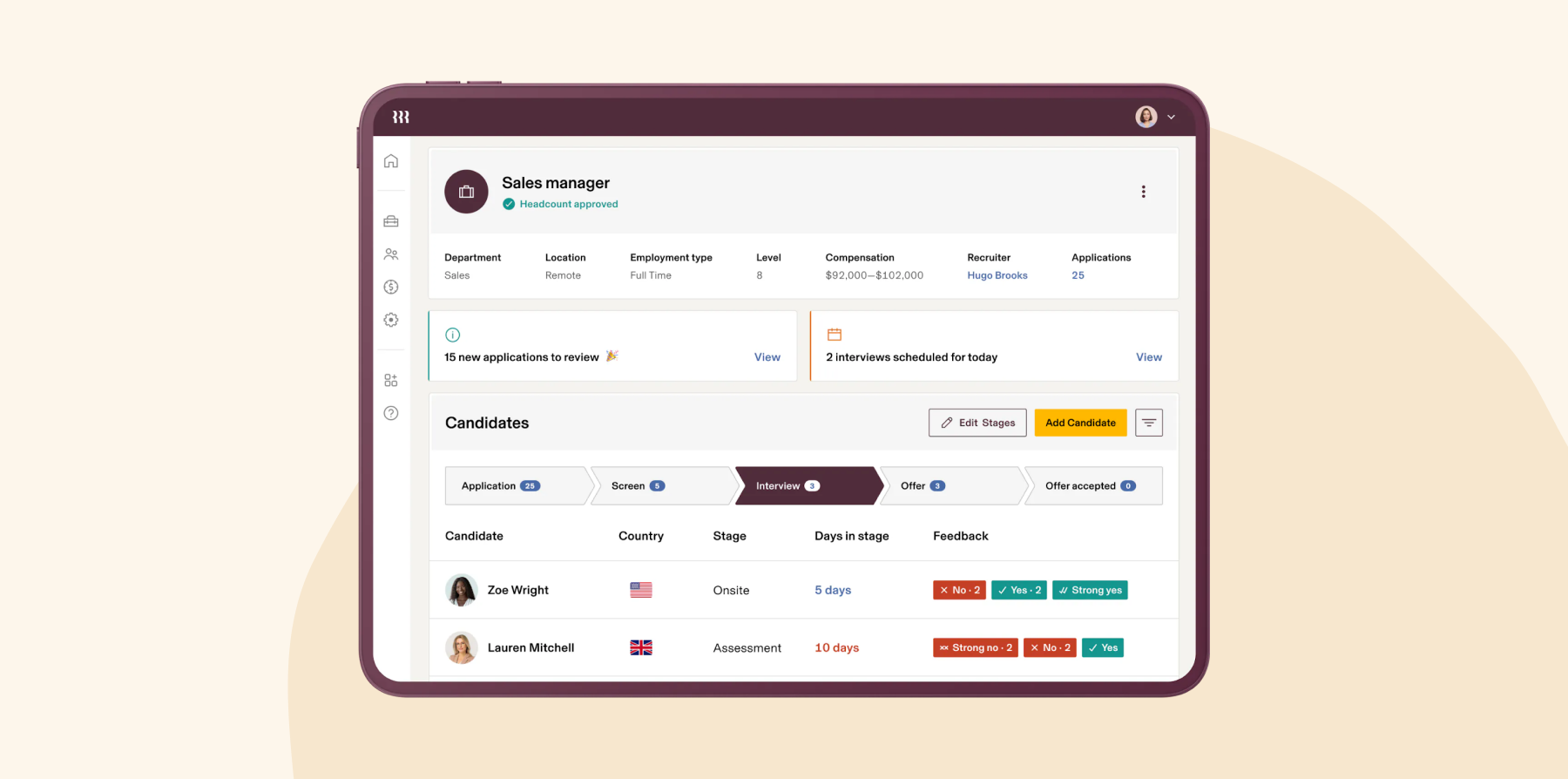
Rippling is a workforce management platform that combines AI and automation to streamline HR, IT, and finance operations. It enhances various HR functions like performance evaluation recruitment, and analytics. Rippling enables organizations to manage data, payroll, benefits, and device management.
Features:
- AI-driven new joiner evaluation: Review the first 90 days of a new person’s sales calls, engineering code, or customer interactions to generate objective performance insights
- Automated performance signals: Receive AI-generated reports that highlight people’s early strengths, skill gaps, and areas for improvement
- Data-backed promotion decisions: Compare new joiner performance trends against past team members in similar roles to assess readiness for promotions or additional training
- Performance reviews: Use AI to analyze measurable work outputs without subjective bias
Pros:
- “Fairly easy to use and automates a lot of tasks” – verified user
- “I like their virtual credit card solution” – verified user
Cons:
- “I don’t like the org chart. I find it difficult to navigate.” – verified user
- “It ends up being very expensive because the basic plan only allows one workflow” – verified user
Pricing: Pricing is not publicly available
Compare HiBob vs. Rippling – see which fits your business best
Workable

G2 rating: 4.4/5 across 700+ verified reviews
Workable is a recruitment platform that uses AI to streamline hiring processes. It offers a suite of AI-powered tools to assist in candidate sourcing, job description creation, and applicant screening. Users can post to over 200 job boards at once.
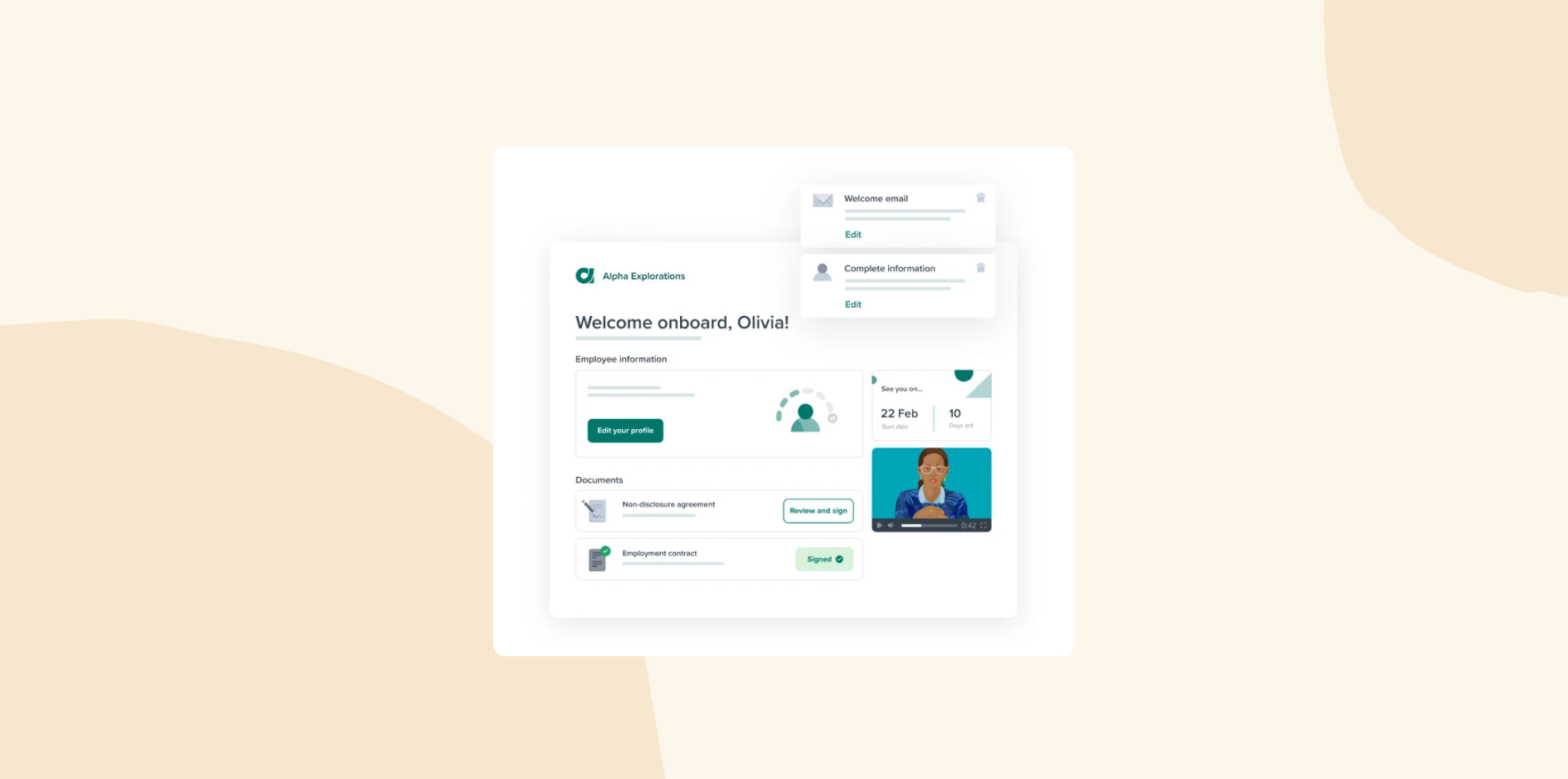
Features:
- Workable Assistant: Access an AI-powered tool that can answer questions, offer best-practice tips, and connect users with support.
- Recruiter: Recommend ideal passive candidates based on job descriptions, provide fit summaries, and facilitate addition to candidate lists
- Screening Assistant: Generate summaries of candidate profiles and an overview of skills
- Interview questions generator: Generate industry and role-specific interview questions
Pros:
- “Clear and easy display of candidates per role.” – verified user
- “Easy to collaborate with other members of the hiring team.” – verified user
Cons:
- “Its AI-driven candidate selection can sometimes miss relevant profiles, and some features, like job postings, require a company website, which may limit flexibility for smaller organizations.” – verified user
- “Reporting is complex and clunky.” – verified user
Pricing:
- Starter: $249/mo
- Standard: $349/mo
- Premier: $679/mo
Workday

G2 rating: 4.1/5 across 2,100+ verified reviews
Workday offers an HCM with AI and machine learning capabilities. It helps HR teams automate job descriptions, match people with career growth opportunities, and analyze skills gaps. Workday also provides an AI-powered assistant that answers HR and finance-related questions.
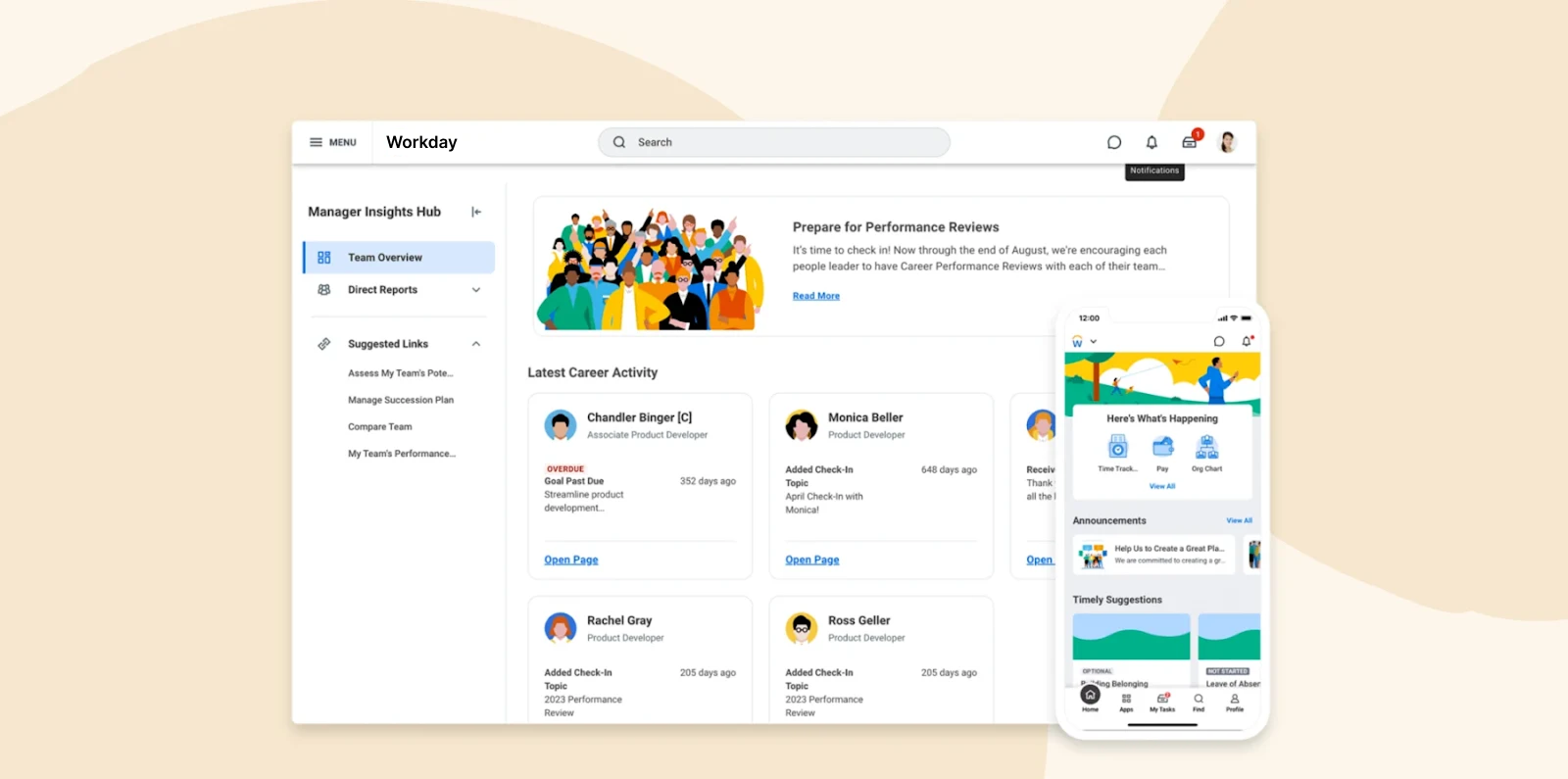
Features:
- Workday Assistant: Access real-time guidance across routine HR and finance tasks
- Contract analysis: Compare signed contracts against existing records to identify discrepancies and propose corrections
- Talent management: Identify skill gaps and suggest personalized development opportunities.
- Growth plans: Automate the creation of personalized growth plans and suggest relevant projects and development opportunities
Pros:
- “You don’t need any experience of coding language.” – verified user
- “You can tailor your workflows as per the need of the business” – verified user
Cons:
- “The cost is high for a small organization.” – verified user
- “The application can become sluggish during peak times, which can be frustrating if you’re trying to get things done quickly.” – verified user
Pricing: Pricing is not publicly available
Compare HiBob vs. Workday – see which fits your business best
How to choose the right HR AI software for your organization
Picking the best AI tools for your HR workflows can significantly enhance your operational efficiency and team satisfaction. Different AI tools serve different functions, and using multiple solutions can create a well-rounded, efficient HR strategy.
Assess your HR needs
Identify the biggest bottlenecks in your HR processes to determine where AI can have the greatest impact. A hiring-focused team may need AI-powered resume screening, while companies working on retention should prioritize workforce analytics. Conduct an internal audit of time-consuming tasks and set clear goals to ensure AI adoption aligns with your most urgent challenges.
Evaluate integrations and scalability
Check whether the AI tool integrates smoothly with your existing HR systems like payroll or communication platforms. A disconnected system might create inefficiencies and make it harder to gather accurate workforce insights. Consider how well the tool scales with your organization’s growth, ensuring it can handle increasing workforce data, expanding teams, and your evolving HR needs over time.
Consider user-friendliness
Find a solution that HR teams and team members can quickly adopt without extensive training. Look for an intuitive dashboard, easy navigation, and automation features that streamline everyday tasks. Requesting a demo or setting up a trial period helps to test whether the tool fits into your existing workflows.
Review pricing
Compare pricing plans to determine whether the tool fits your budget and supports long-term growth. Small businesses may prioritize affordability, while large organizations need high-level solutions to keep up with workforce expansion. Consider the costs of the tool itself, training, implementation, and ongoing support.
Recommended For Further Reading
Choose the best HR AI tools for your business
AI-driven solutions can help HR teams automate tedious tasks, generate actionable insights, and create a more connected work environment. Rather than relying on a single tool, many organizations benefit from using multiple AI solutions that complement each other. The best approach depends on your specific needs—whether it’s AI-powered recruitment, smarter workforce planning, or more data-driven performance management.
For those looking for an all-in-one, AI-powered HR platform, consider HiBob. HiBob enables HR and Finance leaders to automate key processes, gain deep workforce insights, and streamline hiring, performance tracking, and engagement efforts in one place.
Discover the power of a modern HR software and learn firsthand how Bob can optimize your HR processes
HR AI software FAQs
HR AI software uses artificial intelligence to take on HR tasks like drafting job descriptions, summarizing feedback, screening candidates, and spotting trends in people data. Some tools build AI into an HR platform, while others are general AI assistants HR teams use alongside their main system.
It can be, if the tool respects the same permissions as the rest of your HR system. Check whether the AI only sees data the user is allowed to see, whether your data is used to train outside models, and whether there’s an audit trail. General tools like ChatGPT need clear rules about what people can paste into them.
No. AI takes on the repetitive parts of HR work, like first drafts, data pulls, and routine questions, so HR teams have more time for judgment calls, coaching, and planning. Decisions about people should still have a human making them.
Most HR teams start with tasks AI handles well on its own, like drafting job descriptions, policies, and review summaries, answering common questions, and pulling reports. In HiBob research, 69 percent of US companies say they use AI for employee training, 64 percent for onboarding, and 52 percent for data analysis and reporting. The bigger gains come when AI works inside your HR system, on your people data and within your existing permissions, so it can surface trends and draft reviews from information that’s already there.
Disclaimer:
This content reflects HiBob’s perspective, informed by our experience supporting HR teams as they evaluate and implement HR software. It is provided for informational purposes only and is not intended as independent research or professional advice. Prospective users should conduct their own evaluation before making a decision.
Feature descriptions, pricing references, and availability for third-party platforms are based on publicly available information at the time of publication and may change. HiBob does not guarantee the accuracy or completeness of information related to third-party products. Prospective users should verify details directly with each provider.