The best HRIS software for growing small businesses
The HRIS that helps small companies move faster, make better decisions, and stay ready for change.
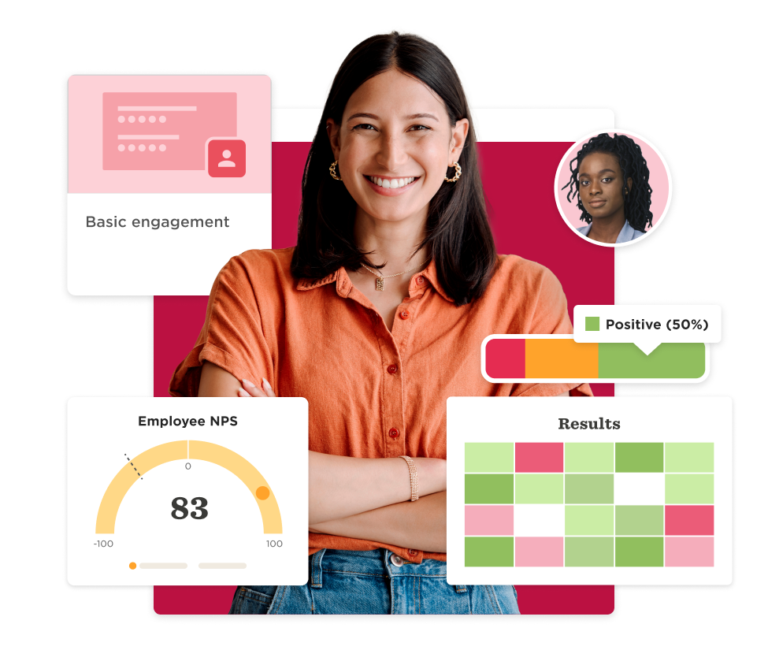
Modern, fast growing, global businesses love Bob
One HRIS to replace disconnected tools
HiBob brings team member records, workflows, and reporting into a single system of record. Small teams can run HR without stitching together spreadsheets and point solutions. As headcount grows, you can add the capabilities you need instead of migrating to a new system. That means less admin, fewer errors, and an HR foundation that can grow with your business.
The core HRIS features small companies need
People data
Centralized team member data
Keep every team member’s profile, role, documents, and history connected.
Hiring & onboarding
Consistent hiring & onboarding experiences
Give every new hire the same strong start without extra admin.
Payroll & benefits
Payroll and benefits management in one place
Reduce manual updates with synced payroll, benefits, time, and HR data.
Simple self-service
Self-service that reduces HR admin
Let your people complete tasks and approvals on their own.
Automated HR
AI built into your HR workflows
Reduce repetitive HR work and use Bob AI for contextual answers, insights, and support.
Growing pains shouldn’t come from your HR system. HiBob makes it easy.
Bob is so easy to use, which is important as people's time is so precious and everybody has so much on their plate, so much that they're always juggling…it’s information that’s at your fingertips.

HiBob is an HCM platform that's highly integrated and very easy to use. They grew at 51% last year, and their AI is one of the most integrated systems I've seen.

Josh Bersin, HR Thought Leader, Josh Bersin
Bob is Fiverr’s single source of truth. Many of our departments rely on the data that Bob provides, and we make that data accessible for everyone.

Why small companies choose HiBob’s HRIS
BEFORE BOB
A small team runs HR on spreadsheets
- People data is scattered across spreadsheets and hard to keep up to date
- Onboarding and payroll rely on manual data entry
- New tools create more admin and more places to look
AFTER BOB
HR scales without adding more complexity
- Every process runs on the same connected people data
- Automation handles repetitive admin so a small team can focus on higher-impact work
- Add capabilities as you grow without replacing your core HR system
Loved by users. Proven by experts.

#1
Vendor Satisfaction 2025

#1
Best HR software

2026
Best advance in practical AI

2026
Exemplary Provider HCM
Explore more ways to support your growing business
Give your team the visibility and planning tools to stay ahead of growth, make confident decisions, and add structure as complexity increases.
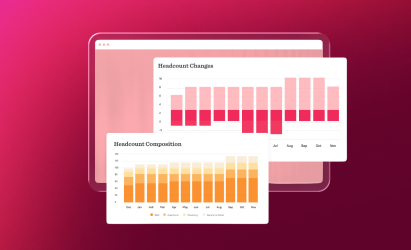
Plan headcount as you grow
Plan headcount and budgets with real-time data to make confident decisions as your company grows.
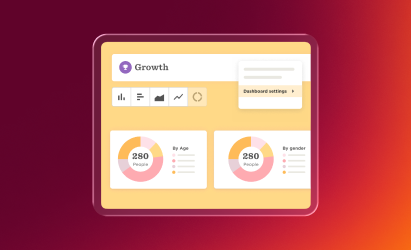
Turn data into decisions
See headcount, turnover, and engagement in real time without building reports from scratch.

Integrate your tech stack
Connect HiBob to the finance, payroll, and collaboration tools so people data stays consistent.
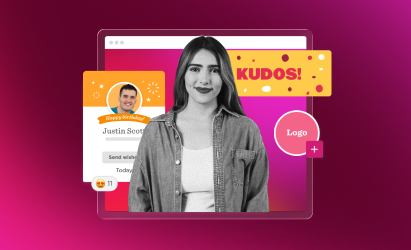
Build connections as you grow
Create a culture people feel part of, with recognition, communication, and community tools built in.
See how Bob works for small businesses

HRIS resources for growing companies


Frequently asked questions
You may consider investing in an HRIS when increasing operations and headcount become overwhelming and your current HR processes no longer meet your needs. An HRIS could be a good fit for your small business if you have:
- Extensive error-prone, manual processes
- A fast-growing workforce
- System fatigue from a growing tech stack
- Siloed data that’s hard to access
- Payroll delays and challenges in tracking benefits
- Increasingly complex people management needs
- Limited team member engagement
Generally, businesses with around 10 to 50 employees may start to feel the strain of manual HR processes, making it an ideal time to adopt HR software.
However, any business could benefit from investing in HR software. Even smaller businesses with very few employees can benefit from HR software—especially if they anticipate growth, need to improve operational efficiency, or want to enhance employee engagement and experience.
While small business HRIS systems offer a variety of features, there are a few key functions that every HRIS should include:
- Onboarding and offboarding
- Time and attendance management
- Payroll
- Benefits and compensation management
- Performance management
- Reporting and analytics
HiBob helps small businesses reduce manual work and build an HR foundation that can scale with them. It centralizes people data and workflows, uses AI to surface insights and support self-service, and connects HR with payroll, benefits, analytics, and workforce planning. As the business grows, teams can add talent, compensation, and planning capabilities without replacing their core HR system.
Shared workforce data also gives HR and Finance clearer visibility into headcount, costs, and plans, helping a small team make better-informed decisions as complexity increases.
The main types of HRIS include:
- Operations HRIS: An operations HRIS focuses on core HR functions, including payroll, time tracking, benefits management, and employee data management. This system helps HR teams handle routine HR tasks efficiently.
- Strategic HRIS: This system provides tools and analytics that support senior management in planning the company’s future, including job analysis, skill set requirements, reporting structures, and compensation strategies
- Tactical HRIS: A tactical HRIS focuses on internal workforce management, helping HR leaders make informed decisions about how to allocate internal resources and labor. This system supports more complex HR functions such as recruitment, compensation, benefits management, and employee training.
- Comprehensive HRIS: A comprehensive HRIS integrates the capabilities of operations, strategic, and tactical HRIS, offering a full suite of HR tools. This system works for large enterprises that require a robust, all-encompassing HR solution.
- Limited-function HRIS: Recommended for startups and small businesses with specific needs, this system focuses on essential HR functions, typically involving data management and one or more additional features.
HRIS, HRMS, and HCM are related HR terminologies often used interchangeably. Here’s what they mean and how they differ from each other:
- HRIS (human resource information system): HRIS software handles core HR functions, including data entry, tracking, benefits, and payroll. This system provides a central database for storing and managing employee data.
- HRMS (human resources management system): An HRMS goes beyond an HRIS by offering advanced features that cover core HR functions and focus on boosting team member effectiveness.
- HCM (human capital management): HCM systems cover the entire employee lifecycle and focus on maximizing human capital. They emphasize strategic people management with functions like career pathing, talent development, and succession planning.
Yes, an HRIS can be an asset for small businesses. Small businesses may have limited HR staff, which can make it challenging to manage a growing list of operational tasks like payroll, employee records, and benefits. A small business HRIS can streamline these processes and adapt as your business expands.